14-Day Japan Travel Itinerary: A Complete Guide to Exploring Japan
Travel Itinerary planning is one of the most important parts of creating a memorable Japan trip. Japan is a country where ancient traditions meet futuristic cities, peaceful temples stand alongside neon-lit streets, and beautiful mountains, forests, beaches, and bustling neighborhoods are all within reach. With so much to see and experience, having a well-organized plan can help you make the most of your time without making your holiday feel rushed.
A 14-day trip is a wonderful amount of time for first-time visitors who want to experience several sides of Japan. You can explore the energetic streets of Tokyo, admire Mount Fuji, experience the traditional beauty of Kyoto, meet the famous deer of Nara, enjoy Osaka’s food culture, and discover the history of Hiroshima and Miyajima.
This 14-day Japan travel itinerary is designed to provide a practical balance between sightseeing, transportation, accommodation, food, culture, and free time. It can also work as a travel itinerary planner that you can customize according to your interests, budget, travel season, and preferred pace.
Whether you are planning a solo trip, romantic vacation, family holiday, or first international adventure, this guide will help you understand how to organize a two-week journey through Japan.
Why Visit Japan?
Japan is one of the world’s most fascinating travel destinations because it offers such a diverse range of experiences.
In Tokyo, you can experience modern technology, skyscrapers, shopping districts, anime culture, traditional temples, and some of the world’s most famous food.
Kyoto provides a completely different atmosphere. Its traditional wooden streets, gardens, shrines, temples, tea houses, and seasonal scenery offer a glimpse into Japan’s cultural heritage.
Osaka is famous for its energetic atmosphere and food culture, while Nara offers historic temples and peaceful parks. Hiroshima provides important historical experiences, and Miyajima combines cultural landmarks with beautiful natural surroundings.
Japan is also known for its efficient public transportation, which makes it possible to visit several cities during a two-week trip.
🗺️ Japan 14-Day Travel Itinerary at a Glance
Before looking at each day in detail, here is the complete route:
| Day | Destination | Highlights |
|---|---|---|
| Day 1 | Tokyo | Arrival, Shibuya |
| Day 2 | Tokyo | Asakusa, Senso-ji, Skytree |
| Day 3 | Tokyo | Meiji Shrine, Harajuku, Shinjuku |
| Day 4 | Hakone / Mount Fuji | Fuji views, Lake Ashi, onsen |
| Day 5 | Tokyo → Kyoto | Shinkansen, Gion |
| Day 6 | Kyoto | Kiyomizu-dera, Higashiyama |
| Day 7 | Kyoto | Fushimi Inari |
| Day 8 | Kyoto | Arashiyama |
| Day 9 | Nara | Nara Park, Todai-ji |
| Day 10 | Osaka | Osaka Castle, Dotonbori |
| Day 11 | Osaka | Markets, shopping, food |
| Day 12 | Hiroshima & Miyajima | Peace Memorial Park, Itsukushima |
| Day 13 | Osaka | Flexible exploration |
| Day 14 | Departure | Airport transfer |
✈️ Before You Travel to Japan
A successful trip begins before you arrive.
Before finalizing your itinerary, check your passport validity, entry requirements, travel insurance, flights, accommodation, transportation options, and seasonal weather.
It is also helpful to decide which airport you will arrive at and which airport you will depart from. Many international visitors use Tokyo’s major airports, while others may arrive in Osaka.
If your itinerary ends in Osaka, consider checking whether a flight home from the Osaka area is practical. An open-jaw itinerary can sometimes reduce unnecessary backtracking, although flight availability and prices vary.
🌆 Day 1: Arrival in Tokyo
Tokyo is an exciting but enormous city, so your first day should be relatively relaxed.
After arriving at the airport, collect your luggage and travel to your accommodation.
Depending on your arrival time, spend the evening exploring the neighborhood around your hotel.
Explore Shibuya
If you have enough energy, head to Shibuya.
Shibuya Crossing is one of Tokyo’s most recognizable sights. Watching the crowds cross the intersection is an entertaining introduction to the scale and energy of the city.
After exploring the crossing, walk through the surrounding shopping streets and restaurants.
Suggested evening activities
- Shibuya Crossing
- Hachiko area
- Local Japanese restaurant
- Shopping
- Night photography
🚆 Transport
Tokyo’s rail and subway network makes getting around the city relatively convenient.
From the airport, choose your airport train or bus based on your arrival airport and hotel location.
🏨 Accommodation
For your first three nights, consider staying in:
- Shinjuku
- Shibuya
- Ueno
- Tokyo Station area
Choose a hotel close to a train or subway station whenever possible.
⛩️ Day 2: Asakusa, Senso-ji and Akihabara
Start your second day with traditional Tokyo.
Senso-ji Temple
Visit Senso-ji in Asakusa, one of Tokyo’s most famous temples.
Enter through Kaminarimon Gate and walk along Nakamise Shopping Street.
You will find traditional snacks, souvenirs, crafts, and other local products.
Take time to explore the surrounding streets instead of rushing from one attraction to another.
Tokyo Skytree
After Asakusa, continue towards Tokyo Skytree.
The observation decks provide impressive views across the city on clear days.
Akihabara
In the afternoon or evening, explore Akihabara.
The area is particularly popular among visitors interested in:
- Anime
- Manga
- Gaming
- Electronics
- Collectibles
- Themed cafés
Return to your Tokyo hotel at night.
🌸 Day 3: Meiji Shrine, Harajuku and Shinjuku
Start your morning at Meiji Shrine.
The shrine is surrounded by a large wooded area, creating a peaceful contrast with the surrounding city.
After visiting the shrine, walk towards Harajuku.
Harajuku
Explore Takeshita Street and nearby shopping areas.
If you enjoy fashion and photography, spend some time exploring the smaller streets around Harajuku and Omotesando.
Shinjuku
Continue to Shinjuku in the afternoon.
You can explore:
- Shopping centers
- Restaurants
- Entertainment areas
- Observation areas
- Local streets
The Tokyo Metropolitan Government Building can also be considered for city views.
Evening
Enjoy dinner in Shinjuku before returning to your hotel.
🗻 Day 4: Mount Fuji and Hakone
No Japan trip feels complete for many visitors without attempting to see Mount Fuji.
However, remember that Mount Fuji visibility depends heavily on weather conditions.
Hakone is a popular destination for travelers looking for mountain scenery, hot springs, museums, and traditional Japanese experiences.
Things to do in Hakone
Depending on your chosen route, you may:
- Visit Lake Ashi
- Take a sightseeing boat
- Ride local transport through the Hakone area
- Visit museums
- Experience an onsen
- Look for views of Mount Fuji
🏨 Where to stay
You have two options.
Option 1: Stay in Hakone
This allows you to enjoy a slower evening and potentially experience a traditional ryokan.
Option 2: Return to Tokyo
This is more convenient if you prefer to avoid another hotel change.
For this itinerary, either option can work depending on your travel style.
🚄 Day 5: Tokyo to Kyoto
Today is the first major intercity journey.
Travel from Tokyo to Kyoto by Shinkansen.
The journey itself is part of the Japanese travel experience.
Once you arrive in Kyoto, check into your accommodation and take some time to settle in.
Evening in Gion
Spend your first Kyoto evening walking through Gion and nearby traditional streets.
Enjoy dinner at a local restaurant and take a relaxed evening walk.
🏨 Where to stay in Kyoto
Good areas to consider include:
- Kyoto Station
- Shijo
- Kawaramachi
- Gion
Kyoto Station is especially convenient for travelers who plan to take several day trips.
🏯 Day 6: Kiyomizu-dera and Historic Kyoto
Start your first full Kyoto day early.
Kiyomizu-dera
Visit Kiyomizu-dera Temple and explore its surrounding area.
After visiting the temple, walk through:
- Ninenzaka
- Sannenzaka
- Higashiyama
These historic streets are excellent for photography and discovering traditional shops.
Try local snacks and visit small tea houses.
Evening in Gion
Return towards Gion in the evening.
Kyoto becomes particularly atmospheric around sunset.
Remember to respect private property and local restrictions when exploring traditional neighborhoods.
⛩️ Day 7: Fushimi Inari
Start the day early at Fushimi Inari Taisha.
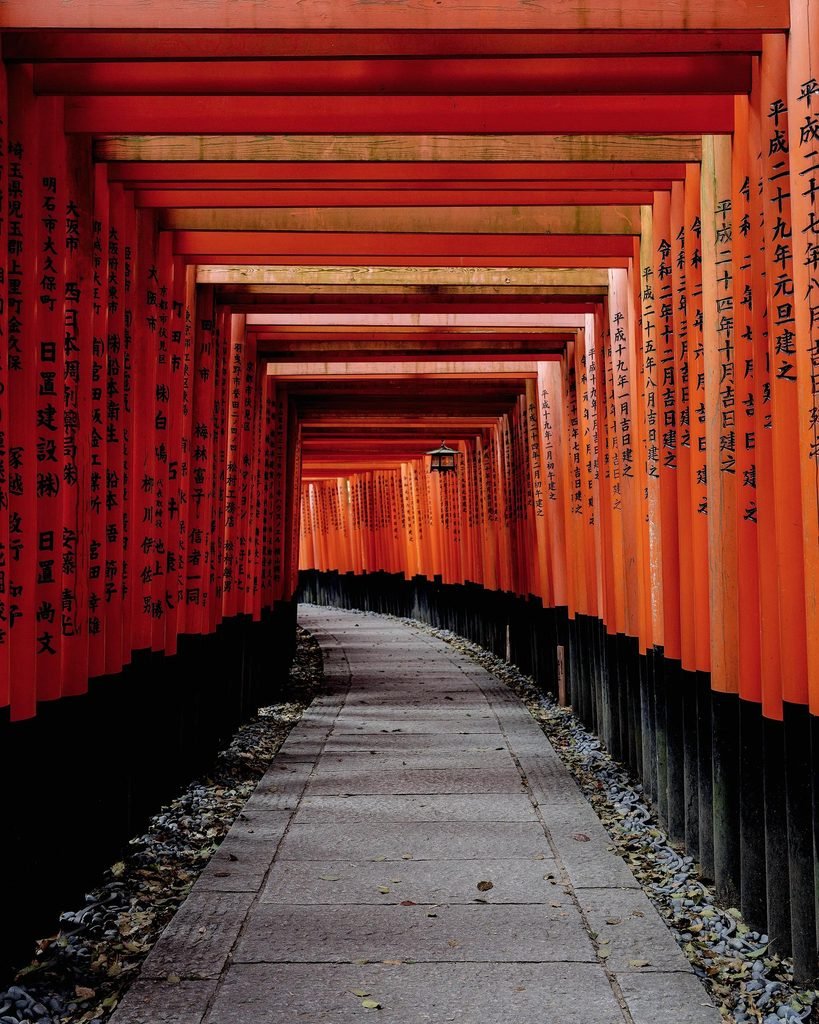
The shrine is famous for its thousands of red-orange torii gates winding up the mountain.
The full hike can take considerable time, so decide how far you want to walk based on your energy level.
🚆 Transport
The JR Nara Line connects Kyoto Station with Inari Station.
After visiting Fushimi Inari, spend the afternoon exploring another part of Kyoto.
You could visit a garden, temple, café, or simply enjoy a slower afternoon.
🎋 Day 8: Arashiyama
Arashiyama is one of Kyoto’s most photographed areas.
Bamboo Grove
Start at the famous Arashiyama Bamboo Grove.
Arriving earlier can help you experience the area before it becomes busier.
Tenryu-ji
Continue to Tenryu-ji Temple and its gardens.
Then walk towards the Katsura River and Togetsukyo Bridge.
Spend some time exploring local shops and cafés.
🚆 Transport
The JR Sagano Line is one convenient option from Kyoto Station.
You can also use other local railway services depending on your starting point.
Return to your Kyoto accommodation in the evening.
🦌 Day 9: Nara Day Trip
Nara is one of the easiest additions to a Kyoto itinerary.
Nara Park
Start your visit at Nara Park.
The park is famous for its free-roaming deer.
Remember that animals should be treated respectfully and that visitors should follow local guidance regarding feeding and interaction.
Todai-ji Temple
Visit Todai-ji, one of Nara’s most important landmarks.
Continue to Kasuga Taisha if time and energy allow.
You can also explore Naramachi, a historic neighborhood with traditional architecture and local shops.
🚆 Transport
Trains connect Kyoto and Nara, making the journey practical for a day trip.
🏨 Accommodation
Return to your Kyoto hotel at the end of the day.
This avoids the inconvenience of changing hotels for just one night.
🍜 Day 10: Kyoto to Osaka
Travel from Kyoto to Osaka.
The two cities are close enough that the journey is relatively straightforward.
Once you arrive, check into your Osaka hotel.
Osaka Castle
Begin your Osaka sightseeing with Osaka Castle and the surrounding park.
Afterward, travel towards Namba and Dotonbori.
Dotonbori
Dotonbori is particularly lively after dark.
Explore its restaurants, signs, shops, and food stalls.
Try Osaka specialties
- Takoyaki
- Okonomiyaki
- Kushikatsu
Osaka is often associated with the idea of eating until you’re satisfied, and food is definitely an important part of the city’s travel experience.
🛍️ Day 11: Explore More of Osaka
Start your day at Kuromon Market.
Explore the food stalls and surrounding streets.
Continue to areas such as Shinsekai, Umeda, or Namba depending on your interests.
Shopping
If you enjoy shopping, Osaka offers everything from large department stores to smaller local shops.
🏨 Where to stay in Osaka
Namba: Convenient for food, nightlife, Dotonbori, and shopping.
Umeda: Excellent for transport and major shopping areas.
Shin-Osaka: Convenient for travelers using the Shinkansen.
🌊 Day 12: Hiroshima and Miyajima
Today involves a longer day trip, so start early.
Hiroshima Peace Memorial Park
Visit the Peace Memorial Park and Atomic Bomb Dome.
Take time to learn about Hiroshima’s history and the events commemorated at these sites.
This part of the journey can be emotionally significant, so avoid rushing through the experience.
Miyajima
Continue to Miyajima.
The island is known for its natural beauty and Itsukushima Shrine.
Spend time walking around the island and exploring its streets.
🚆 Transport
The Shinkansen can connect Osaka and Hiroshima.
From Hiroshima, use local transportation and a ferry service to reach Miyajima.
Alternative
If you don’t want such a long day, stay overnight in Hiroshima or Miyajima and return to Osaka the following day.
🌸 Day 13: Flexible Osaka Day
Your final full day should be flexible.
Instead of creating another packed schedule, choose activities based on your interests.
Option 1: Universal Studios Japan
Spend the day at the theme park if you’re interested in rides and entertainment.
Option 2: Shopping
Explore Umeda, Namba, or another shopping district.
Option 3: Food Experience
Create your own Osaka food tour.
Try different local dishes throughout the day.
Option 4: Slow Travel
Visit cafés, parks, local neighborhoods, or smaller attractions.
This flexible approach is especially useful because you may discover something during the trip that you want to revisit.
✈️ Day 14: Departure from Japan
Your final day depends on your flight time.
If you have an early flight, leave enough time for the airport transfer.
If your flight is later, enjoy a relaxed breakfast and perhaps take a short walk near your hotel.
Before leaving:
- Check your passport and travel documents.
- Confirm your airport transfer.
- Check your luggage.
- Keep important items in your carry-on.
- Leave enough time for the journey to the airport.
🚆 Complete Japan Transportation Guide
Transportation is one of the most important elements of your Japan trip.
Shinkansen
Use the Shinkansen for long-distance journeys such as:
Tokyo → Kyoto
Osaka → Hiroshima
Hiroshima → Osaka
Always check current schedules, fares, and ticket rules before travelling.
Local trains
Local trains are useful for city travel and day trips.
Subway
Tokyo and Osaka have extensive subway networks.
Buses
Kyoto relies heavily on buses for some sightseeing routes.
IC Cards
A rechargeable transportation card can simplify many local journeys.
Luggage
Avoid carrying unnecessarily large luggage between cities.
You can also investigate luggage forwarding services if you want to send larger bags directly to your next accommodation.
🏨 Japan Accommodation Guide
Your accommodation choices will depend on your budget and preferred travel experience.
Budget
Consider:
- Hostels
- Guesthouses
- Capsule hotels
- Business hotels
Mid-range
Look for hotels near major transportation hubs.
Traditional
A ryokan can provide a different experience, particularly in Hakone or Kyoto.
Accommodation strategy
For a 14-day trip, consider using four main bases:
Tokyo: 3 nights
Kyoto: 4 nights
Osaka: 4 nights
Hakone/Hiroshima: Optional 1 night depending on your preferred pace.
This approach minimizes unnecessary hotel changes.
💰 Budget Travel Itinerary: How to Save Money
Japan does not have to be an ultra-expensive destination if you plan carefully.
A budget travel itinerary can include:
Accommodation
Choose hostels, guesthouses, or simple business hotels.
Food
Eat at local restaurants, casual noodle shops, supermarkets, bakeries, and convenience stores.
Transportation
Compare individual tickets with available regional or other passes based on your actual route.
Attractions
Mix paid attractions with free temples, parks, neighborhoods, viewpoints, and walking routes.
Shopping
Set a fixed souvenir budget before your trip.
🍣 Japanese Food You Should Try
Food can become one of the highlights of your Japan itinerary.
Try:
Sushi
Look for both casual sushi restaurants and more traditional experiences.
Ramen
Different regions have different styles of ramen.
Tempura
Lightly battered seafood and vegetables are popular throughout Japan.
Okonomiyaki
Particularly associated with Osaka and Hiroshima, although preparation styles differ.
Takoyaki
A famous Osaka street-food favorite.
Matcha
Kyoto is particularly well known for matcha-based drinks and desserts.
Convenience-store food
Japanese convenience stores can also be a surprisingly useful option for inexpensive breakfasts, snacks, and quick meals.
🎒 Japan Packing Guide
Your packing list will depend on your travel season.
However, useful items include:
- Comfortable walking shoes
- Lightweight backpack
- Portable charger
- Travel adapter
- Weather-appropriate clothing
- Small umbrella
- Reusable water bottle
- Necessary medicines
- Passport
- Travel insurance documents
- Some cash
Because you will be travelling between multiple cities, keep your luggage as manageable as possible.
📅 Best Time to Follow This Japan Itinerary
Japan has four distinct seasons.
Spring
Spring is popular for cherry blossoms, but major tourist destinations can become crowded.
Summer
Summer can be hot and humid in many cities. Festivals and seasonal events can make the season attractive for some travelers.
Autumn
Autumn brings colorful foliage and often comfortable temperatures.
Winter
Winter offers a different experience, including snowy landscapes in suitable regions and winter sports opportunities.
Your ideal travel season depends on what you want to see and do.
📸 Photography Tips for Japan
Japan offers endless photography opportunities.
Some memorable locations include:
- Shibuya at night
- Senso-ji
- Mount Fuji
- Kyoto’s traditional streets
- Fushimi Inari
- Arashiyama
- Nara Park
- Dotonbori
- Miyajima
Try photographing both famous attractions and ordinary everyday scenes.
A quiet alley, small restaurant, train station, or local neighborhood can sometimes create more meaningful memories than a crowded landmark.
🧭 How to Make This Itinerary Your Own
This itinerary should not be treated as a fixed schedule.
You can modify it according to your interests.
If you love nature
Spend more time around Hakone and Mount Fuji.
If you love Japanese history
Add additional time to Kyoto, Nara, and Hiroshima.
If you love food
Spend more time exploring Osaka and Kyoto’s culinary scenes.
If you love shopping
Give yourself additional time in Tokyo and Osaka.
If you love theme parks
Reserve a full day for Universal Studios Japan.
If you prefer slow travel
Remove one destination and spend more nights in another city.
💡 Important Tips for First-Time Japan Travelers
Start early
Popular attractions can become busy later in the day.
Don’t schedule every minute
Leave space for unexpected discoveries.
Stay near transportation
A convenient hotel location can save significant time.
Keep your luggage small
You will appreciate this when moving between cities.
Check current information
Train schedules, attraction opening hours, ticket rules, and prices can change, so verify them before your trip.
Respect local customs
Follow signs and instructions at temples, shrines, restaurants, trains, and public spaces.
Carry some cash
Although cashless payment is widespread, some smaller businesses may have different payment options.
💸 How to Plan Your Japan Travel Budget
Instead of relying on one fixed budget, divide your trip into categories.
| Category | Examples |
|---|---|
| ✈️ Flights | International return airfare |
| 🏨 Accommodation | Hotels, hostels, ryokans |
| 🚄 Transport | Shinkansen, trains, buses, subway |
| 🍜 Food | Restaurants, snacks, cafés |
| 🎟️ Attractions | Museums, temples, observation decks |
| 🛍️ Shopping | Souvenirs and personal purchases |
| 📱 Connectivity | SIM/eSIM or Wi-Fi |
| 🧾 Other | Insurance and unexpected expenses |
Your final cost will depend heavily on your travel season, hotel choices, dining habits, transportation, and activities.
🌏 Final Thoughts: Your 14-Day Japan Adventure
Planning a two-week trip to Japan can initially seem overwhelming because there are so many places to visit. However, a good travel itinerary planner can turn a complicated trip into a manageable and enjoyable adventure.
This 14-day route provides a combination of Japan’s modern and traditional sides. Start with Tokyo’s energetic streets, continue towards Mount Fuji and Hakone, experience Kyoto’s temples and historic neighborhoods, discover Nara’s cultural heritage, taste your way through Osaka, and finish with the history and scenery of Hiroshima and Miyajima.
The key is not to see everything.
Instead, choose a manageable number of destinations and give yourself enough time to enjoy them.
A detailed travel itinerary gives you a framework, but the best travel memories often happen outside the schedule. Take a wrong turn down a quiet street, stop at a small café, watch a sunset, try something you’ve never eaten before, or simply sit in a peaceful temple garden.
For travelers looking for a budget travel itinerary, Japan can also be adapted through smart accommodation choices, local food, public transportation, and careful planning.
Whether you’re travelling alone, with your partner, with friends, or with family, Japan has something to offer.
So pack your comfortable shoes, prepare your camera, learn a few Japanese phrases, and get ready to explore one of the world’s most fascinating destinations.
Your Japan adventure starts with a plan—but the memories are made along the way.
Baundule Meye — Wander beyond the map, discover beyond the ordinary.